

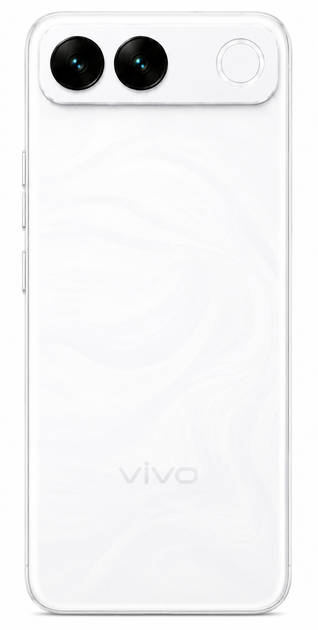
From the 2019 Vivo S1 to a Post‑Pandemic Re-entry. The mobile industry operates on swift cycles of adaptation, yet entire product lines can vanish and reappear against the backdrop of shifting macroeconomic conditions. When Vivo introduced the original Vivo S1 to the Indian market in 2019 at a modest price of Rs 17,990, the strategy was straightforward: capture the imagination of budget‑conscious digital natives by democratizing high‑end aesthetic choices. At a time when features like an AMOLED display, an in‑display fingerprint scanner, and a 32‑megapixel selfie camera were rare outside flagship brackets, the S‑series carved out a distinct niche.
91Mobiles
However, following that initial push, the branding went dormant in India. For nearly seven years, Vivo elected to channel its mid‑range energies into its V‑series and T‑series lineups, leaving the S nomenclature primarily to its domestic Chinese catalog. The sudden re‑emergence of the S‑series via the impending rollout of the Vivo S2 5G — tipped for an early August window coinciding with Independence Day sales — signals more than mere nostalgia. It reflects a calculated structural adjustment. Industry leaks, including retail dummy unit listings and reports by tipsters like Yogesh Brar and Abhishek Yadav, indicate that the device has cleared BIS certification. This resurrection occurs within a heavily saturated smartphone ecosystem where consumer preferences have bifurcated sharply.
91Mobiles
While the 2019 iteration targeted the sub‑Rs 20,000 bracket, current retail data and supply chain intelligence position the Vivo S2 5G squarely in a higher tier, with expected pricing hovering between Rs 45,000 – Rs 50,000, or in certain configurations mapped near the lower‑to‑mid Rs 40,000 mark. This structural migration upward highlights how smartphone manufacturers must pivot to protect profit margins amidst escalating component costs.
By positioning the Vivo S2 5G as an upper‑mid‑range contender, Vivo is attempting to bridge the chasm between its volume‑driving V‑series (such as the Vivo V70 FE) and its top‑tier X‑series flagships. This move targets a discerning consumer demographic willing to pay a premium for refined build quality and specialized features without crossing into four‑figure flagship territory.
Performance Architectures: MediaTek Dimensity and Silicon Integration. Beneath the surface, the internal hardware of the Vivo S2 5G points toward a highly efficient configuration driven by MediaTek’s advanced 4nm architecture – specifically the MediaTek Dimensity 7360 chipset paired with LPDDR4X RAM and UFS 3.1 storage.
TelecomTalk
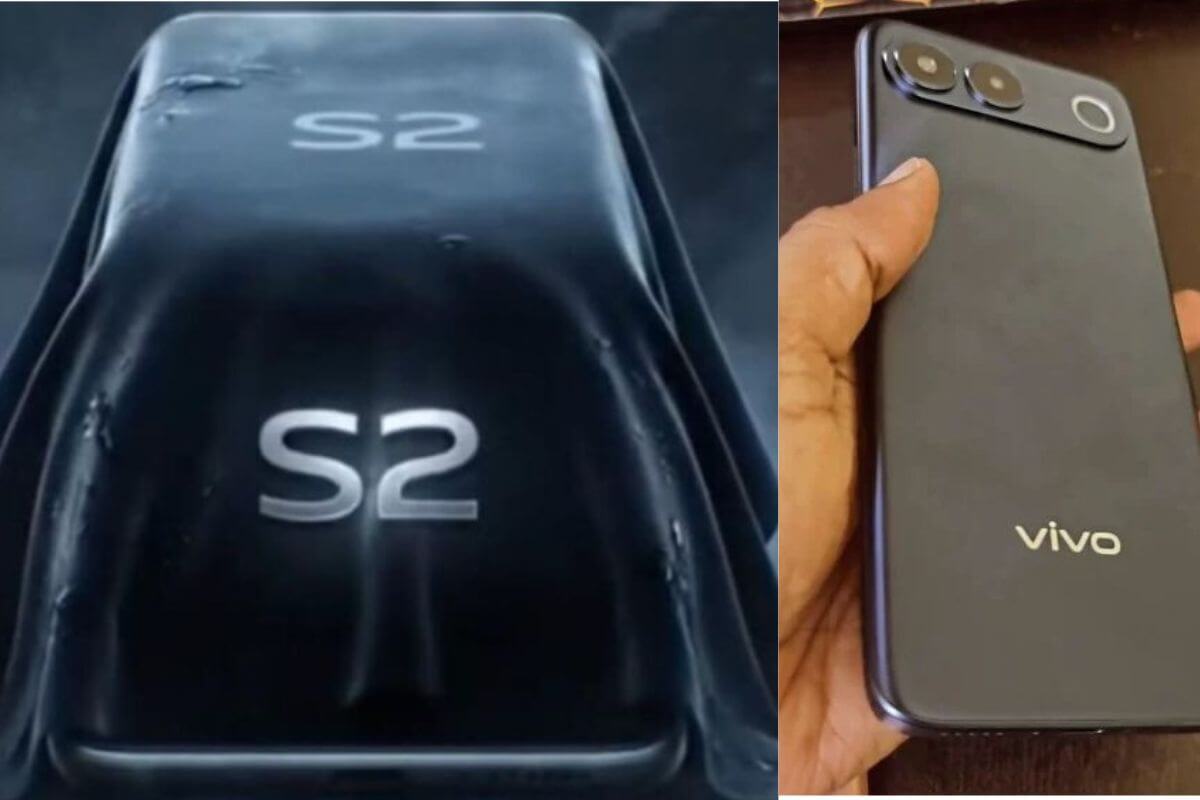
This architectural choice balances raw processing muscle with thermal efficiency. The device is expected with 8GB RAM and either 128GB or 256GB storage, ensuring minimal latency for heavy multitasking.
Gadgets 360
Leaked specifications indicate a curved 6.59‑inch to 6.78‑inch 1.5K OLED display with a smooth 120Hz adaptive refresh rate and peak brightness reaching 3,000 nits. The panel maintains outdoor legibility and deep contrast ratios.
Hindustan
The dual‑camera rear array is anchored by a 50MP primary sensor with OIS and an 8MP ultra‑wide lens.
Gadgets 360
At an estimated price approaching ₹50,000, the Vivo S2 5G faces direct competition from OnePlus “R” series and iQOO’s performance‑centric offerings. Internal portfolio overlap with the Vivo V70 FE also poses a cannibalization risk.
91Mobiles
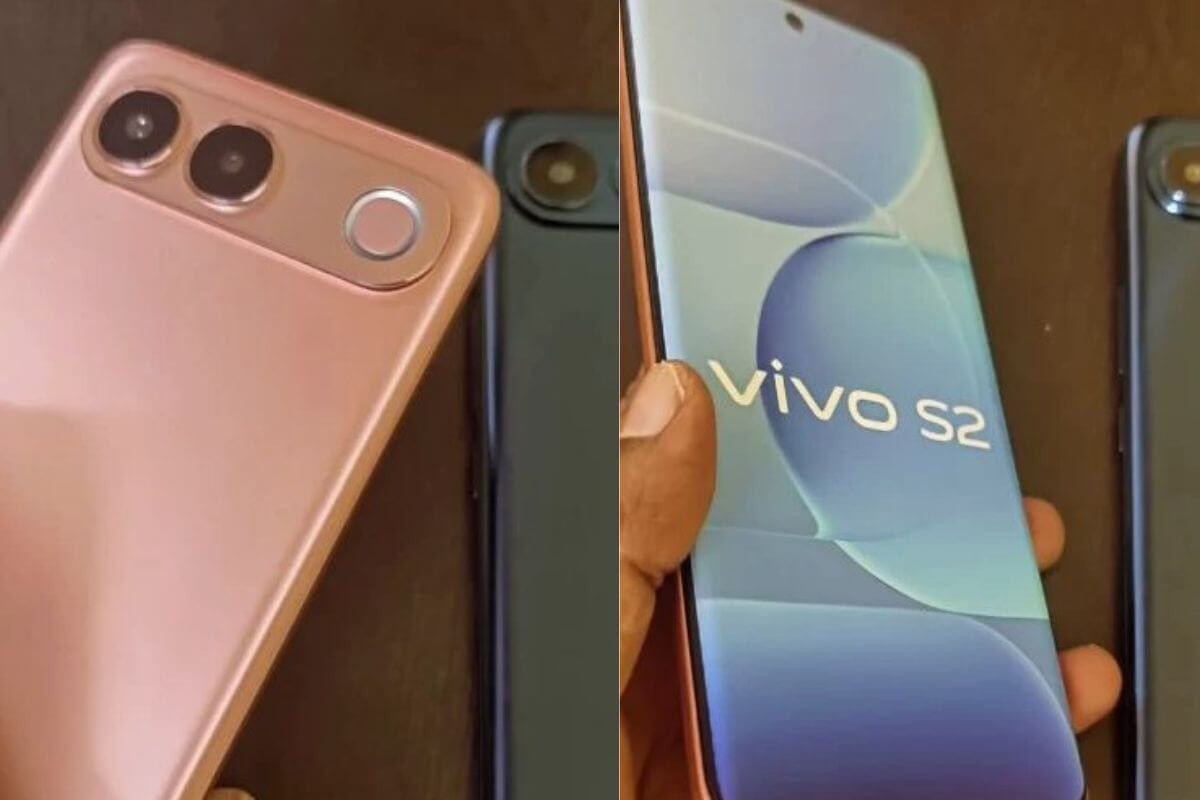
Smartphone manufacturers in 2026 face severe macroeconomic headwinds: fluctuating memory silicon expenses, currency devaluation, and demand for batteries exceeding 7,000mAh. The Vivo S2 5G reflects these design trade‑offs.
91Mobiles
The return of Vivo’s S‑series via the S2 5G is a fascinating case study in brand evolution. With a 1.5K 120Hz AMOLED display, MediaTek Dimensity 4nm chip, OIS optics, and a curated design, the device has the raw ingredients to succeed. Its legacy hinges on execution against rivals like OnePlus and iQOO.
TelecomTalk

If you have any doubts, Please let me know