

Decoding the Modern Professional Network and Algorithmic Renaissance
Moving Beyond Vanity Metrics to Outcome-Driven Strategies
For over two decades, corporate social media strategy has been plagued by an obsession with vanity metrics. Brands routinely measured success by the hollow echoes of raw impressions, generic likes, and high-level reach, assuming that sheer visibility would naturally translate into commercial health. On LinkedIn, the professional ecosystem's oldest surviving platform, this legacy playbook has experienced a stark reckoning. Modern brand building requires a shift from superficial applause to tangible business outcomes.
Organizations entering the professional network must align their overarching marketing goals with metrics that directly influence the bottom line. Profile visits, steady follower growth, qualified lead generation, event registrations, and ultimate conversions must replace the dopamine hit of a viral reaction. When enterprise leaders treat LinkedIn as a serious digital storefront rather than a broadcast billboard, the entire operational framework shifts. Content ceases to be an end in itself and instead becomes a precision instrument designed to nurture long-term professional relationships.
The Mechanics of LinkedIn's Top Content and Conversational AI Tools
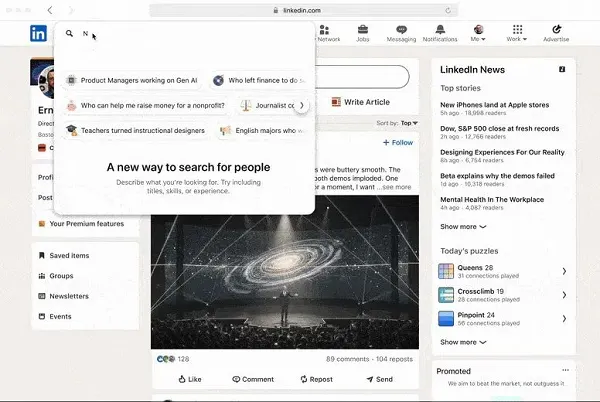
Navigating the platform effectively means leveraging its native discovery architecture. Modern marketers have access to advanced intelligence mechanisms, including LinkedIn's Top Content overview and integrated conversational AI search capabilities. These tools peel back the layers of industry-wide engagement, granting organizations unprecedented visibility into what specific themes, topics, and discussions are dominating professional feeds.
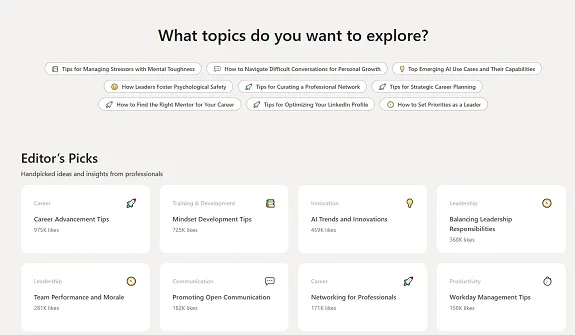
Rather than guessing what content might resonate, digital strategists can query these AI-driven systems to surface high-performing posts across diverse industry categories. However, the trap for many corporate accounts is falling into the loop of mere imitation. Simply mirroring trending topics or regurgitating viral formats strips a brand of its authentic authority. The real power of these discovery tools lies in utilizing them as baseline research to identify systemic gaps where an organization can inject an original, uncompromised perspective.
Five Core Strategies to Architect a Resilient LinkedIn Brand
Building a formidable presence on the professional network requires moving past fragmented, one-off posting cycles. The following five strategies form an integrated framework designed to transform corporate LinkedIn activity from a nominal marketing expense into a permanent, high-yield commercial asset.
Examine Trending Content and Isolate Unique Perspectives
The foundation of any formidable LinkedIn presence begins with systematic environment scanning. Brands must actively monitor the broader landscape by tapping into LinkedIn's curated content listings and trending data to isolate areas where standard industry commentary falls short.
Understand the Best People to Reach and Map Key Decision-Makers
Precision targeting on LinkedIn starts long before content is drafted. It requires a granular mapping of individuals holding purchasing power, allowing marketing teams to surgically direct efforts toward high-value stakeholder ecosystems.
Take Note of Key Themes, Formats, and Audience Pain Points
Content execution fails when it ignores audience preferences. Utilize digestible formats like carousel posts and native video while focusing relentlessly on solving verified professional bottlenecks and operational challenges.
Identify and Collaborate with Trusted Expert Voices
To overcome audience skepticism toward direct corporate advertising, modern strategies must embrace niche influencer marketing and internal employee advocacy to borrow equity from recognized domain experts.
Formulate an Approach Anchored on Business Outcomes
Prioritize structured content pillars such as dedicated digital newsletters and recurring events. Tie these streams directly to measurable outcomes like pipeline acceleration and inbound lead generation.
Key Insight: Buyers are three times more likely to select a vendor recommended by trusted peers or customers than one backed purely by traditional product promises or lower pricing.
Conclusion
The architectural integrity of a brand's LinkedIn presence dictates its capacity to survive and scale in a crowded digital economy. True brand authority is engineered through rigorous research, unyielding intellectual honesty, strategic partnerships, and an absolute commitment to solving real-world professional problems.
📋 Frequently Asked Questions
Brands can study high-engaging posts across industry categories, use AI discovery tools, and pinpoint gaps where they can offer a unique perspective instead of mirroring existing trends.
It focuses less on massive follower counts and more on specialized domain expertise and peer authority, aligning with how B2B buyers place immense trust in verified industry colleagues.
Content designed for visual engagement and retention—such as carousel posts, native videos, and serialized newsletters—consistently outperforms standard text links.
Companies should measure profile visits, organic follower growth, qualified lead acquisition, event registrations, and overall bottom-line conversions.
Through authentic advocacy, employee engagement programs, and tools like Thought Leader Ads that project real corporate expertise beyond standard brand pages.
📷 Image Credits: Sourced from Industry Dive / LinkedIn for educational purposes.

If you have any doubts, Please let me know