

The Anatomy of a Pivot:
Reimagining the Pro Series Launch Strategy
As Apple prepares a bold departure from its monolithic launch tradition, we examine the strategic, technical, and financial forces reshaping the iPhone 18 Pro era.
Market Timing and the Dual-Event Horizon
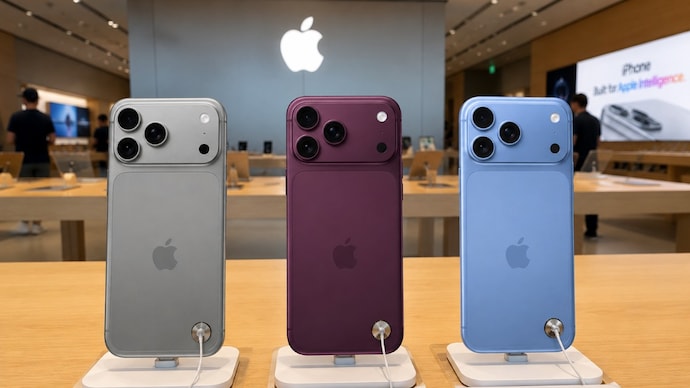
As the technology sector navigates the volatile waters of 2026, Apple appears to be preparing a departure from its established monolithic launch schedule. Reports from industry observers and financial analysts suggest a strategic decoupling of the flagship hardware lineup. By potentially reserving the September 2026 event—provisionally marked for September 9—exclusively for the iPhone 18 Pro, the iPhone 18 Pro Max, and the highly anticipated foldable iPhone, Apple is signaling a shift toward tiered market entry.
This timeline suggests a deliberate move to prioritize high-margin hardware. By insulating the Pro series from the standard iPhone 18, 18e, and the successor to the iPhone Air—which are reportedly earmarked for an early 2027 release—the company is effectively managing both supply chain strain and consumer attention. This separation allows Apple to dominate the final fiscal quarter of 2026 with its most sophisticated devices while avoiding the operational bottlenecks that occur when launching four or more handsets simultaneously.
Supply Chain Pressures and the 2nm Transition
The transition to a 2nm semiconductor manufacturing process represents a seismic shift in mobile computing. Integrating TSMC's advanced 2nm architecture into the A20 Pro chip requires a meticulous approach to yield management and thermal regulation. Industry data indicates that the complexity of this manufacturing shift is a primary driver behind the reported split in launch timing.
By narrowing the initial release window to the Pro models, Apple mitigates the risks associated with scaling 2nm silicon production. This approach serves as a controlled rollout that prioritizes the highest-value users, ensuring that the flagship experience is not compromised by the logistical constraints of a broader device launch. The focus on the A20 Pro is not merely about raw benchmark performance; it is a tactical investment in on-device AI efficiency, which is becoming the cornerstone of the iOS 27 ecosystem.
Hardware Evolution: Beneath the Surface of the 18 Pro
Performance Architecture and the A20 Pro Chipset
The A20 Pro is expected to be more than a marginal iteration in processing power. With the jump to a 2nm process, the silicon density increase is designed to facilitate improved thermal efficiency and sophisticated neural processing. As mobile AI features become more prevalent, the bottleneck for high-end smartphones has shifted from raw CPU clock speeds to AI throughput and energy efficiency.
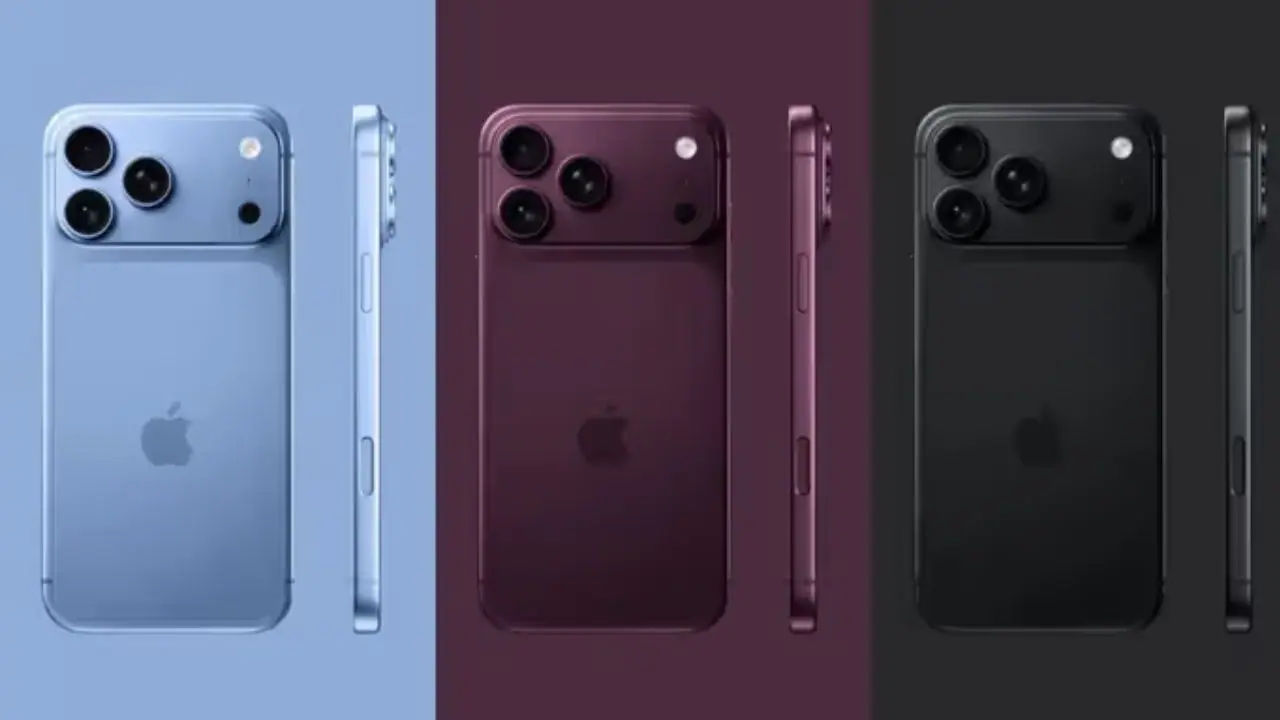
The A20 Pro leverages this 2nm architecture to sustain peak performance during intensive tasks—gaming, computational photography, and local LLM (Large Language Model) execution—without the rapid thermal throttling that has historically plagued high-performance mobile silicon. This architecture is the foundation for the integration of iOS 27, where Siri is expected to undergo a significant evolutionary leap, transitioning from a reactive assistant to a proactive, context-aware AI agent.
 📷 Image Credit: Asianet News
The Thermodynamics of Power: Vapour Chamber Cooling and Battery Density
The physical design of the iPhone 18 Pro is undergoing internal restructuring to accommodate its new capabilities. Leaked specifications suggest an increase in device thickness, a change necessitated by the inclusion of high-density battery cells and an advanced vapour chamber cooling system. This cooling mechanism is not an optional luxury but a technical requirement; 2nm chips operating under high load generate concentrated heat that traditional graphite sheets struggle to dissipate.
The reported battery capacity for the Pro Max, expected to reach between 5,391mAh and 5,567mAh, marks a substantial jump in energy storage. By reclaiming internal space—potentially through more efficient logic board layouts—Apple is leaning into a "heavier, longer-lasting" design philosophy. At an estimated weight of 240g for the Pro Max, the hardware is clearly being optimized for users who demand endurance over ultralight portability.
The "Pro" Differentiator: Examining the Convergence of Feature Sets
The Camera Control Redesign and Variable Aperture Optics
Optical hardware remains the primary theater of competition in the premium smartphone market. The iPhone 18 Pro is rumored to introduce a variable-aperture lens system, a significant departure from the fixed-aperture optics that have defined iPhone photography for years. This capability will provide photographers with granular control over depth-of-field, allowing for natural bokeh effects that were previously simulated through software.
Accompanying this is a redesign of the physical Camera Control input. By pivoting to an exclusively pressure-sensitive interface, Apple is removing the capacitive touch layer that some users found prone to accidental input. This simplification is emblematic of a refined UX design approach: stripping away layers of complexity in favor of reliable, tactile mechanical feedback. Combined with a 24-megapixel front camera and upgraded stacked image sensors, these features are intended to ensure the 18 Pro remains the standard for mobile videography.
Navigating the Pro Max Identity Crisis
A tension has emerged regarding the distinction between the "Pro" and "Pro Max" models. Historically, Apple reserved exclusive camera features (such as enhanced optical zoom) for the largest device. However, current data suggests a convergence: both models may share the same A20 Pro core, display tech, and camera array.
This strategic pivot shifts the burden of differentiation almost entirely onto battery runtime and screen real estate. For the consumer, this creates a simplified, albeit difficult, choice: opt for the ergonomics of the standard Pro, or accept the increased weight and dimensions of the Pro Max solely for the sake of endurance. For Apple, this simplifies the manufacturing pipeline, yet it risks alienating a subset of power users who view the "Max" branding as a symbol of technological superiority rather than merely an exercise in scale.
Financial Implications and Global Market Positioning
Cost-Push Inflation in Premium Electronics
The bill-of-materials (BOM) for the iPhone 18 Pro is undeniably higher than its predecessors. The synthesis of a 2nm chip, larger, high-density batteries, and sophisticated camera optics represents an aggressive increase in manufacturing costs. Analysts have noted that these expenses, coupled with the rising costs of advanced memory, are placing upward pressure on retail pricing across all regions.
While the exact fiscal impact varies by market, the consensus points to a $200 increase for certain high-storage configurations. This is not arbitrary pricing; it is a direct reflection of the commodification of high-end silicon. For a company that typically maintains rigid profit margins, this increase is a test of brand loyalty—determining if the added features of the 18 Pro are sufficient to overcome consumer sensitivity to price hikes in the premium tier.
 📷 Image Credit: Forbes
Regional Pricing Dynamics: The Indian Market Perspective
The Indian market offers a specific case study in how global hardware pricing is translated into regional realities. With reports suggesting the iPhone 18 Pro could start at approximately Rs 1,39,900 and the Pro Max at Rs 1,54,900, the barrier to entry for the flagship experience continues to rise.
These figures account for local supply chain costs, currency fluctuations, and the specific duties applied to high-end electronics. As Apple continues to integrate India into its manufacturing footprint, the interplay between local assembly and imported components will dictate whether these prices remain competitive. The decision to maintain such high price points in the Indian market reflects Apple's confidence in its brand equity as a luxury status symbol, even as the broader smartphone market shows signs of feature saturation.
Conclusion
The iPhone 18 Pro arrives at a juncture where the smartphone industry is grappling with the limits of annual iteration. By prioritizing a move to 2nm silicon, implementing a split-launch strategy, and focusing on internal thermal and power efficiency, Apple is attempting to redefine the "Pro" experience as one of reliability and endurance rather than gimmickry.
The strategy is clear: focus on the core hardware improvements that matter to power users—battery longevity, computational speed, and professional-grade optics—while streamlining the product catalog. Whether this approach maintains the fervor of the upgrade cycle or forces consumers to extend the lifespan of their existing devices remains the central question for the 2026 fiscal year. The iPhone 18 Pro is not designed to be a revolution in form; it is an exercise in engineering optimization, setting the stage for a future where mobile performance is increasingly defined by AI capability and power management.

If you have any doubts, Please let me know